
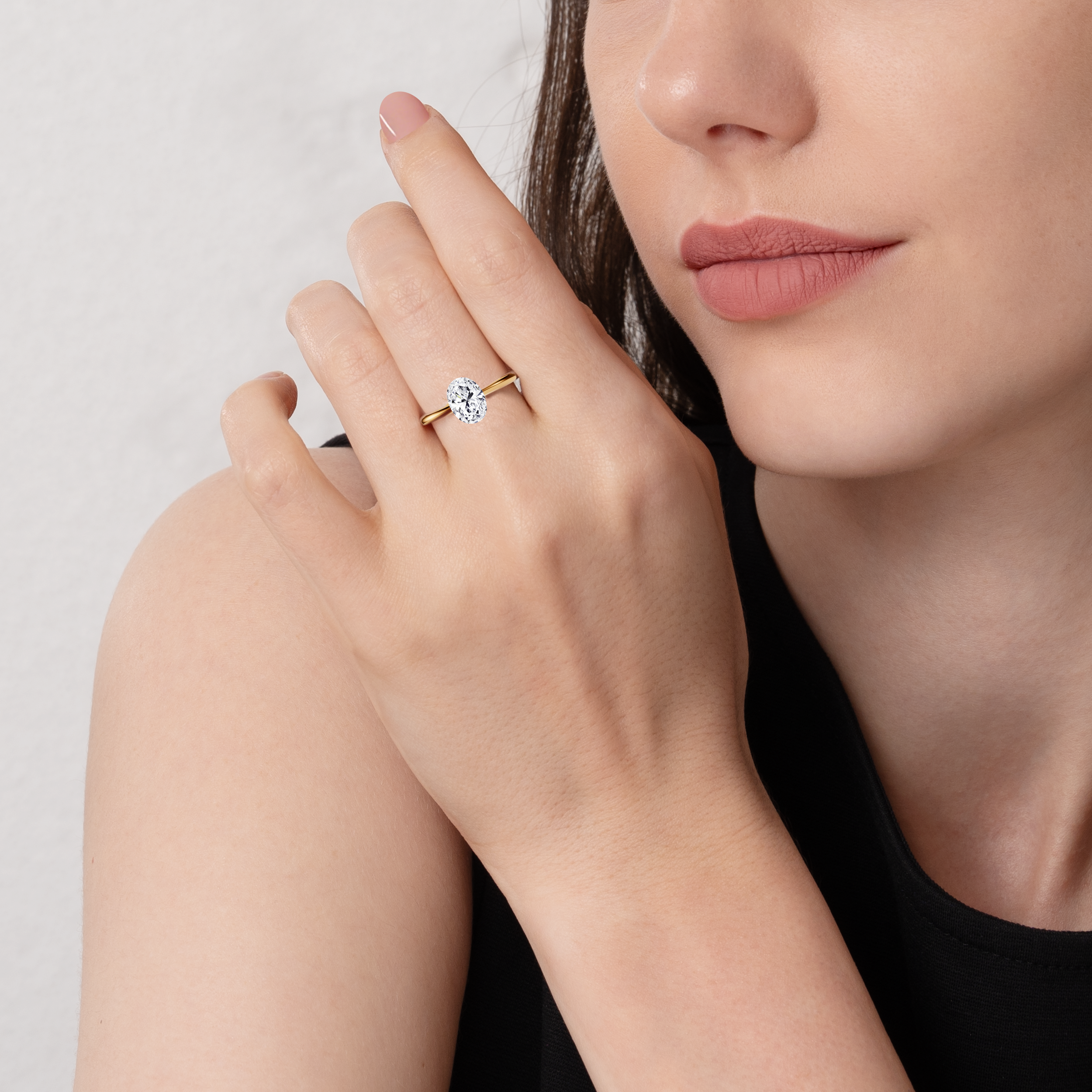
The Moment You Unbox Isn’t the Whole Story
You unwrap the velvet box, the light hits the stone, and everything feels right. Personalized diamond jewelry sits like it was meant for you, and your camera roll proves it. Now here’s the twist: most buyers judge by that first glow, yet scratch resistance, alloy blends, and long-haul upkeep are what decide whether your ring still looks “day-one” in three years. Industry data shows 14k’s higher microhardness can help with daily wear, but surface finish, prong geometry, and even skin pH push the outcome. So, what matters more for your custom piece—the karat number or the way the metal ages around your diamond?

I’m asking because the tradeoffs hide in the fine print (and under tiny prongs). We’ll unpack why your setting, polish, and alloy composition steer comfort, color, and care—funny how that works, right? And we’ll compare how 14k and 18k change the look and lifetime of the same design. Quick goal: give you a simple path to a smarter pick—one you can defend to your future self. Onward to the deeper layer.
Why 14k Shines Early—and Where It Quietly Compromises
Where does 14k actually trip you up?
Let’s get direct. 14k yellow gold jewelry earns praise for daily durability. It’s harder than 18k, so minor scuffs show up slower. But hidden pain points surface with time. The alloy composition that boosts strength can mute warmth a touch, which shifts how your diamond’s color grade reads against the band—especially in daylight. Prong setting density also matters: tighter, stiffer prongs grip well but may transmit more micro-shock to the stone during knocks. Look, it’s simpler than you think: the metal’s behavior changes the sparkle you perceive, not your diamond’s refractive index.
There’s more. During CAD modeling and lost-wax casting, 14k’s flow character can leave micro-porosity if the finishing isn’t elite—tiny pits that collect grime and dull luster. Maintenance is cheaper, yes, but frequent polishing rounds edges and can thin prongs over years. Resizing? Not always drama-free. Solder seams may reveal color variance if the solder alloy doesn’t match perfectly— and yes, you can tell. If you want the sunlit glow people expect from “classic yellow,” 14k can look slightly cooler next to warmer skin tones; that’s not failure, just physics meeting complexion.
The Forward Look: When 18k Wins the Eye—and When 14k Wins the Week
Real-world impact
Zoom out to a future-facing view. A client, Mara, loved a low-profile bezel with a petite oval diamond. Same design in two metals. In 14k, the bezel kept shape in a bag-toss life and resisted tiny dents better. In 18k gold jewelry, the richer hue made her H-color diamond read warmer, almost like a half-grade shift to the eye. Over twelve months, micro-scratches on the 18k showed faster but blended into a uniform patina that looked luxe—while 14k stayed crisper but needed a deeper clean to keep grit from the bezel edge. Different wins, same wearer.

So what’s next? Expect cleaner alloys and better finishing protocols to narrow the gap. Improved casting curves, tighter quality control on microhardness ranges, and smarter prong architecture mean fewer tradeoffs no matter the karat. If your lifestyle is keyboard-heavy with weekend hikes, 14k’s toughness brings peace of mind. If you want that high-chroma, heirloom glow that flatters near-colorless stones and warm skin, 18k simply frames the diamond better. The headline: your stone’s clarity grade and cut performance aren’t the only stars—metal color temperature and long-term finish are co-leads.
To choose well, use three simple metrics: 1) Wear pattern fit: how your daily habits align with hardness, denting, and prong security; 2) Visual synergy: how metal hue affects perceived color grade and face-up brightness in your lighting; 3) Service plan: access to skilled polishing, prong checks, and resizing that preserves geometry. Measure those, and the 14k vs 18k debate stops being abstract—it becomes your design’s operating system. If you want a calm, data-backed pick that still feels personal, that’s the path. Vivre Brilliance