
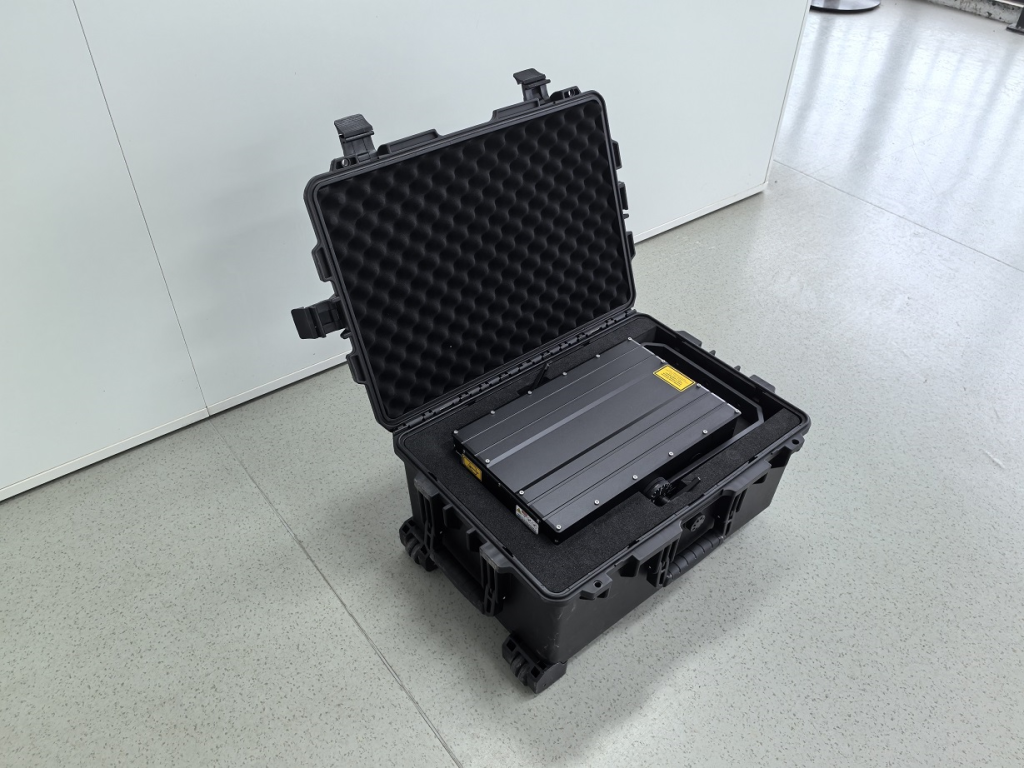
Comparative Insight: Old Rigs vs Smart Projectors
Beam control is logistics, not magic. At a packed quay, crews shuffle cases, radios crackle, and the clock runs fast; festival laser lights must hit cue after cue with no miss. In field logs, setup drift eats 20–30% of rehearsal time, mostly from focus checks and zoning tweaks. Deploying a festive laser light projector changes that baseline by centering precision at the source. Yet the crowd still sees hot spots, dim bleed, or late sweeps. Why? Hidden constraints. DMX hops add latency, galvanometer scanners throttle when hot, and beam divergence varies with humidity—small things, big ripples. Power converters hum along near their ceiling, so brightness sags right when the chorus hits. Look, it’s simpler than you think: when the chain is long, the weakest link runs the show (voilà). So the question lands: are we comparing fixtures, or the control path end to end?
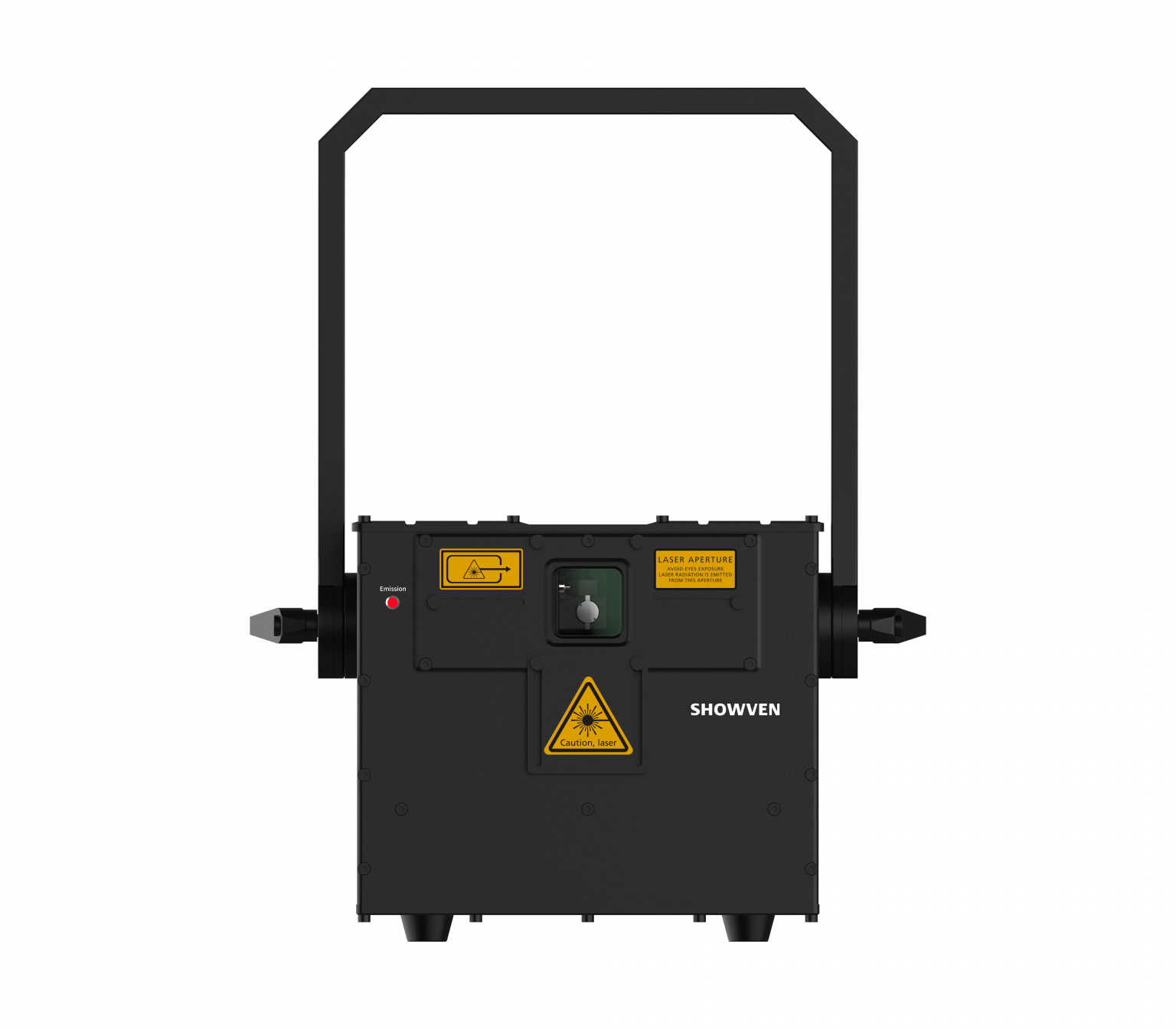
Where do legacy rigs stumble?
Traditional stacks lean on central desks, long runs, and manual safety maps. They work, until they don’t—funny how that works, right? Operators juggle ILDA profiles, temporary no-fly zones, and last-minute stage moves. Every tweak ripples through patch lists and cue stacks. Thermal headroom vanishes during encores; passive cooling lags, scan speed dips, and crisp shapes smear. Outdoor variance adds more drift: wind, mist, and spill light beat up on consistent color mixing. The deeper pain point is cognitive load. One human watching five monitors can’t outpace real-time variance. There is no edge computing in that loop to fold back sensor data and adjust power in milliseconds. And when permits demand tight audience scanning limits, manual masking becomes a gamble. The result: safe but flat looks, or bold looks that flirt with risk. This is why a smarter baseline matters—safety by design, not by emergency note. Next, let’s compare how new control models flip the burden.
From Legacy Control to Smart Mapping: What’s Next
New systems embed brains at the fixture. Each head runs micro-controllers as tiny edge computing nodes, shaping beams locally while syncing over Art-Net or sACN with DMX fallback. That means adaptive power curves per zone, faster shuttering, and live corrections for fog density. With onboard diagnostics, galvanometer drift is predicted, not discovered after the show. Thermal telemetry caps output before a hard throttle, so looks stay consistent—different philosophy, fewer surprises. Add IP65 housings, better optical modulation, and smarter power converters, and the chain holds under rain and rush. In practice, a crew can re-map a promenade to a pier in minutes, not hours, because safety masks travel with the fixture. For planners, the line item changes from extra hands to extra certainty. When you choose a modern laser light for events, you are buying time and headroom, not just lumens. Real-world note: a spring fête moved its main stage 12 meters due to tide—cues held, masks followed, and the audience never knew. Small win, big calm.
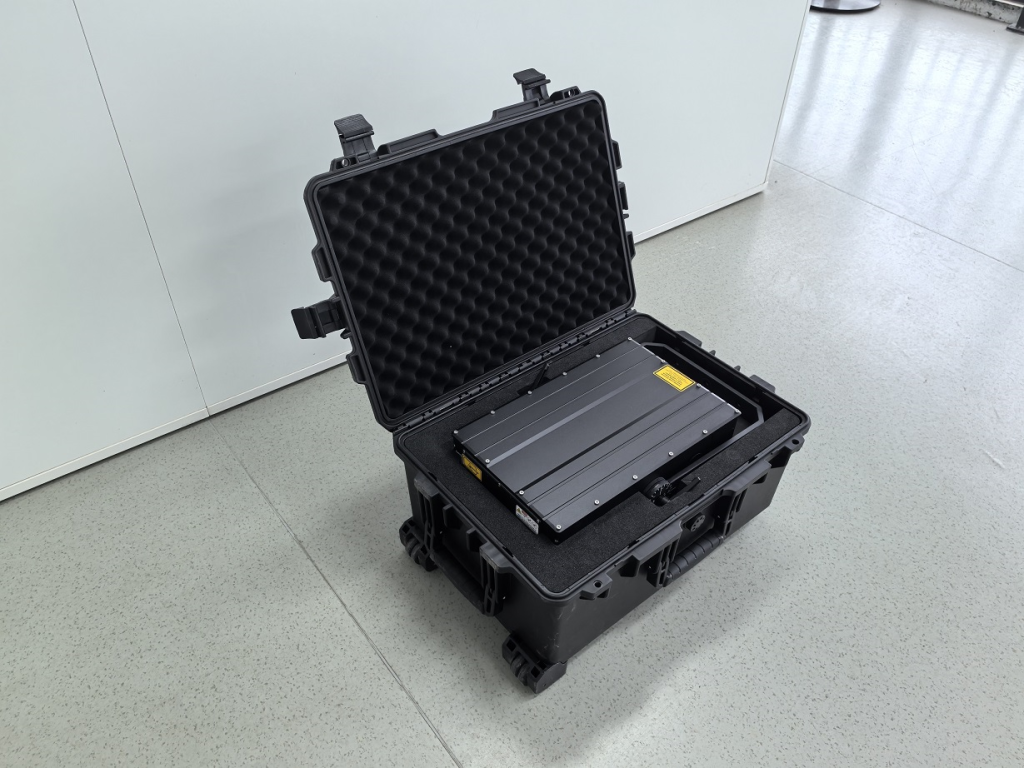
Real-world Impact
Here is the takeaway without jargon—mostly. Smart mapping reduces queue latency, keeps beam edges clean, and enforces safety automatically. It lets designers push looks instead of babysitting limits. Advisory close, short and clear: 1) Measure effective scan speed and accuracy at temperature (kpps plus drift); 2) Check safety toolset depth—zoning, audience scanning interlocks, and log exports; 3) Verify end-to-end latency from console to head, including network hops and local processing. Choose on these, not on brochure brightness alone—because brightness without control just glares. And yes, redundancy matters, too (spare PSU, quick-swap optics), but start with proof that the rig thinks with you. That’s how shows stay sharp and safe, under rain or fireworks—c’est la vie. For a grounded reference point in this space, see Showven Laser.