
Where Delays Really Start—and How to Stop Them
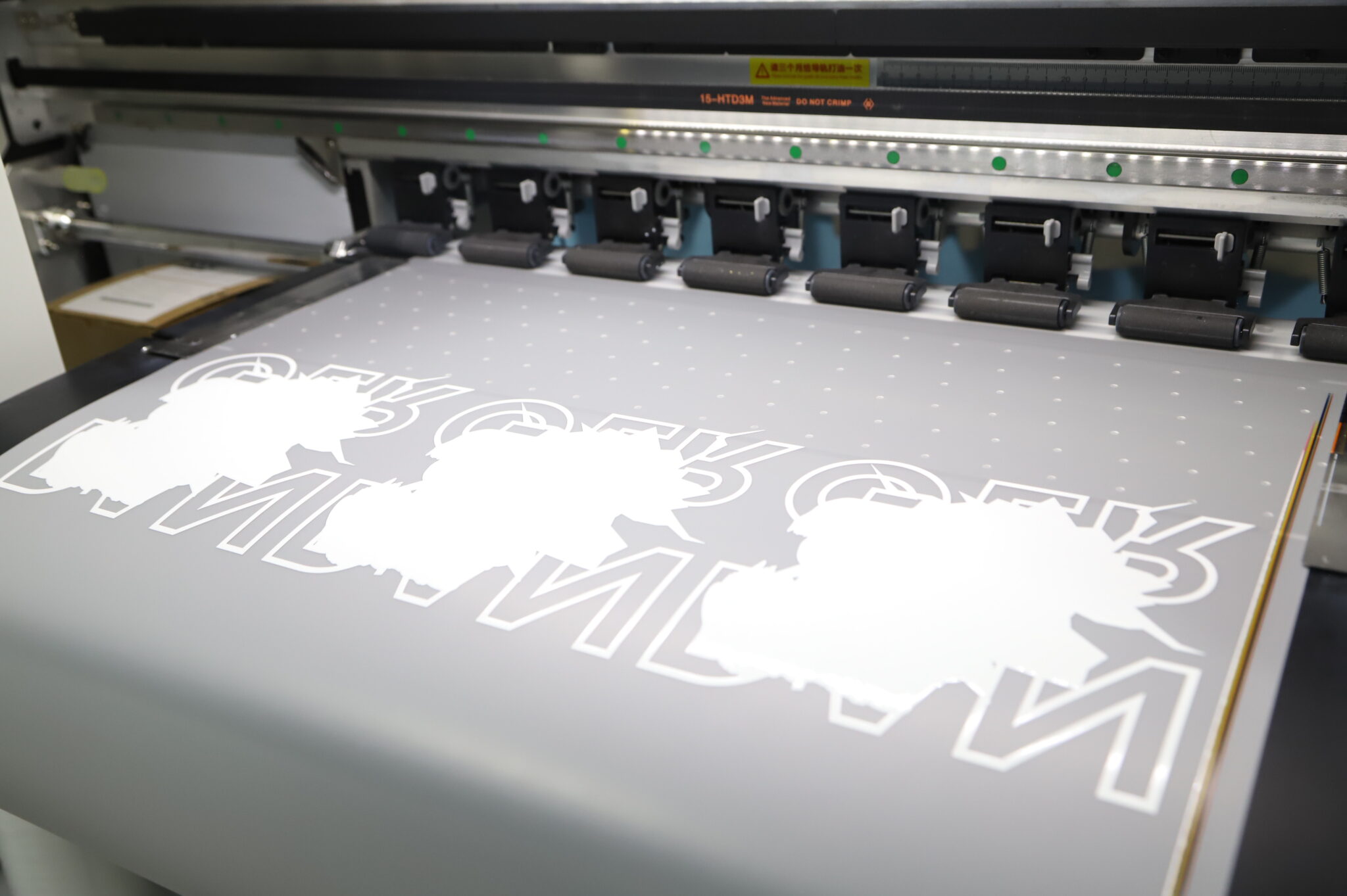
Last autumn in Sharjah, I walked into a night shift where the queue wrapped around the workshop door and the air smelled like hot adhesive. A mall pop-up needed names on 300 hoodies by sunrise; our dtf printer hit three clogs in 40 minutes; could you absorb that and still deliver? I have spent over 16 years helping wholesale buyers spec and run print equipment across Riyadh, Jeddah, and Doha, and I learned (sometimes the hard way) that capacity is useless if the workflow bleeds minutes in the dark corners. When a shop upgrades to a 48 inch dtf printer, the big wins come not from speed alone but from how well it reduces unplanned stops you do not see on a brochure.

Here are the hidden pain points I see most: white ink recirculation that slows under heat, powder shakers that drift on long runs, and curing units that overshoot by 10–15°C after lunch breaks. Each one steals small chunks of time. Add humidity and—no kidding—you face banding and speckled whites that force reprints at 2 a.m. Two 24-inch rigs look flexible on paper, but they double your nozzle checks, duplicate operators, and split your ICC profiles between queues. In 2022, a Jeddah team I support spent 11% more on film waste due to powder streaking from an older shaker; once we calibrated the belt tension and set a tighter ±5% spread, scrap dropped by 18% in Q1 2023. This is why I favor a stable 48-inch path with consistent roll-to-roll tension, predictable adhesive powder laydown, and RIP software presets tied to garments (poly fleece vs. ring-spun cotton). We tackle the causes first, then we talk machines. Let us step into the practical fixes that make the upgrade worth it.
Stability Over Hype: What a 48‑Inch Platform Must Prove
What’s Next
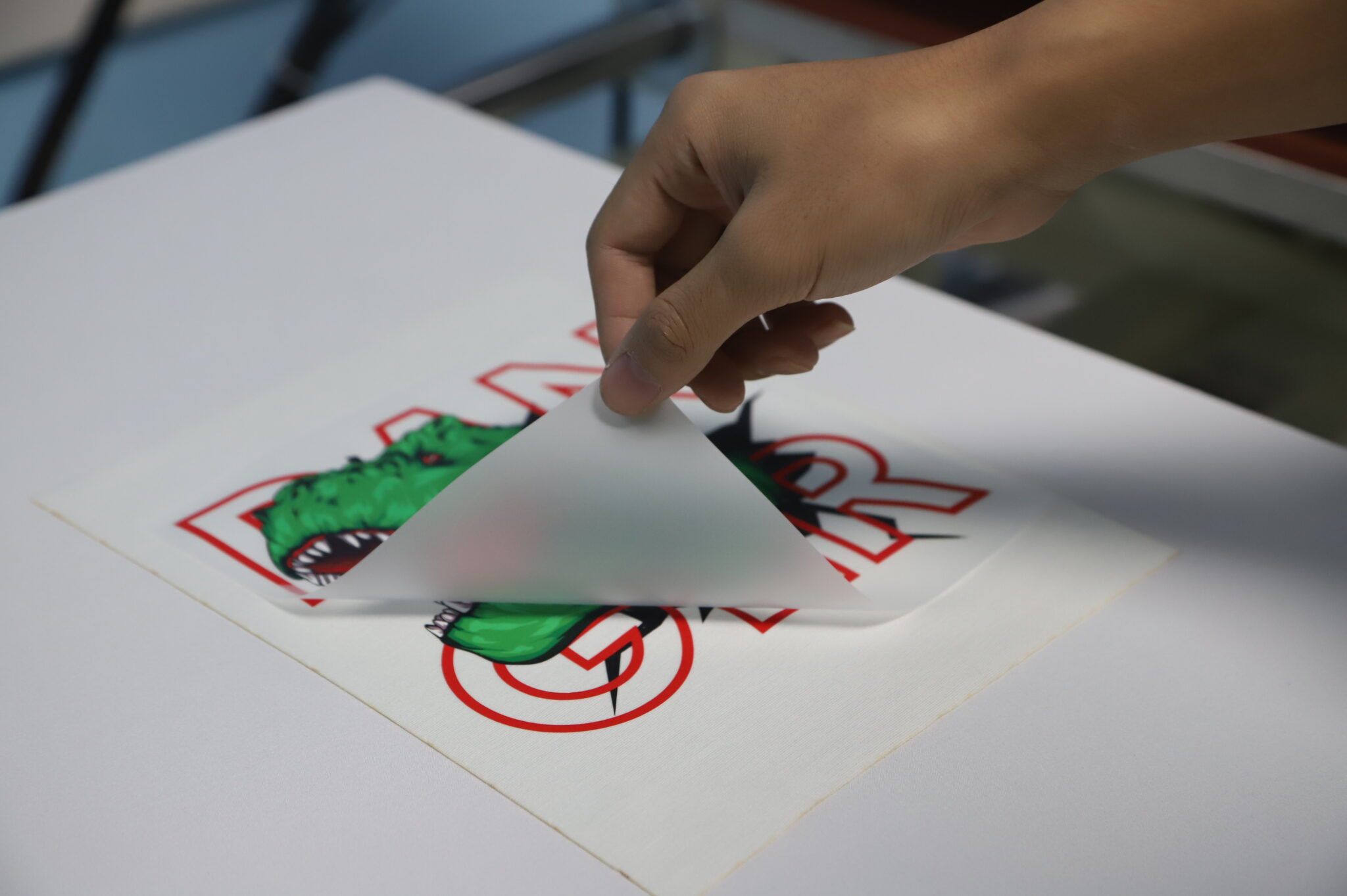
Now I shift to a technical lens. A solid 48 inch dtf printer should show calm numbers during stress: even white ink pressure after 90 minutes, powder weight drift under ±3 g/m² on a five-meter draw, and curing temperatures that hold within ±3°C across the web—especially during operator breaks. In 2021, I tested three lines in Riyadh at 28–32% RH; the unit with better head capping and timed purges cut manual wipes from six to two per shift, which saved a clean 22 minutes before Fajr. That time bought an extra 40 transfers, and yes, it paid for the night meal (insha’Allah). I paused—twice—before signing off on a procurement sheet because I have seen great demos crash under real lint and dust. So, my advice stays simple and measurable for wholesale buyers: first, verify throughput at your real quality mode (for example, 8-pass, 720×1200 dpi) over a continuous two-hour window; second, check white ink maintenance frequency in clock minutes, not cycles, with the hood closed and fans on; third, demand a powder-and-cure uniformity test—one roll, five points across the width, documented with temp logs. If these three pass, your team gets fewer reprints, cleaner edges on fine type, and more predictable delivery slots. The rest—interfaces, lights, nice paint—comes after. For reference and deeper specification reading, see Xinflying.